Navigating New Waters: Cruise Changes and Sailing Innovations
The maritime world is experiencing notable shifts, driven by environmental factors and advancements in sailing technology. In a recent move, travel routes are being re-evaluated not just for passenger comfort but also for safety, leading to some interesting dynamics for those passionate about cruising and sailing.
Alaska Itinerary Adjustments
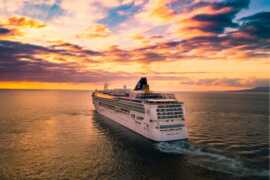
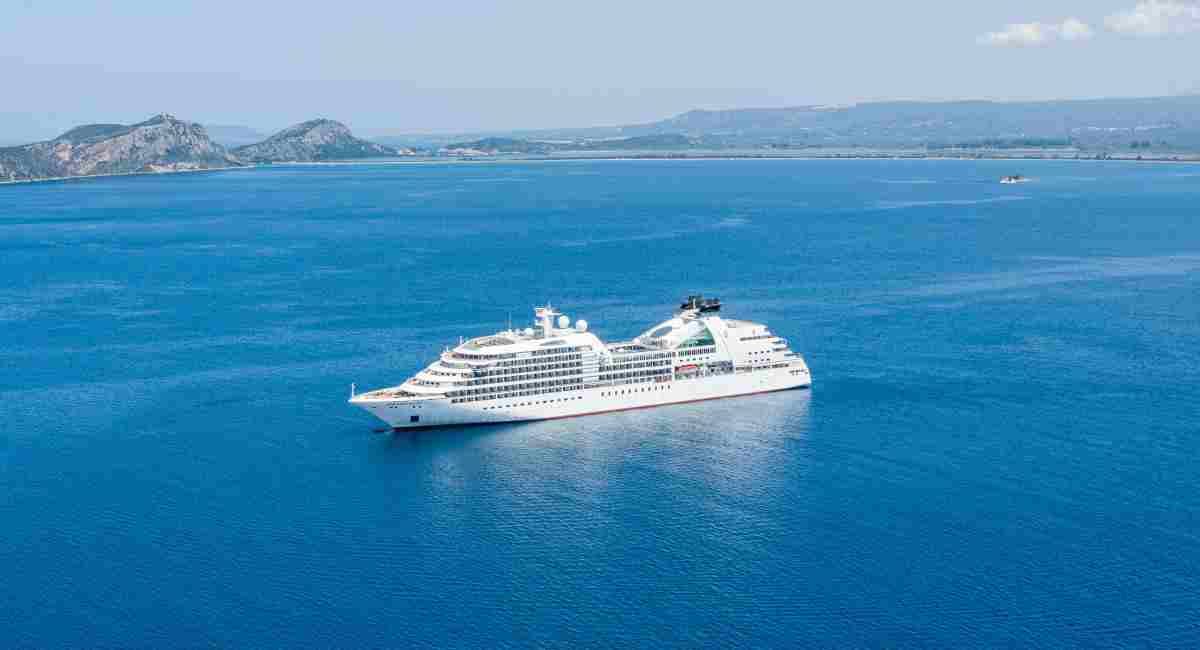
In light of increasing concerns about natural disasters, one major cruise line has decided to alter its Alaskan itineraries. The once-popular Tracy Arm fjord, renowned for its breathtaking landscapes, is being sidelined due to heightened risks of landslides and potential tsunamis. Instead, ships will steer towards the lesser-known but still stunning Endicott Arm. This change reflects a broader trend among cruising companies that places safety above all. The fjords of Alaska have long captivated travelers with their icy formations and wildlife, but as climate change impacts these remote areas, navigation becomes more complex. The decision to redirect vessels may mean fewer visits to iconic sites, but it ensures that passengers can enjoy their journeys with peace of mind.
Technological Advances in Sailing
On a different note, the world of sailing is ever-evolving, particularly with innovations in boat hardware. For instance, advancements in lightweight, low-friction components are reshaping how competitive sailing is approached. The Switch One Design, a compact yet sophisticated sailing vessel, showcases this trend. Its performance hinges not just on skilled sailors but also on sophisticated ball bearing blocks designed to withstand rapid load changes. These advancements allow sailors to focus on techniques and maneuvers more effectively, enhancing both performance and enjoyment on the water. As the rigging demands of modern vessels grow more intricate, so too does the creativity and attention to detail in the technology supporting them.
The Intersection of Culture and Adventure
While safety and technology drive decisions in the marine industry, the cultural aspects of sailing and cruising also play a crucial role in the experience. Adventures often encompass local traditions and the chance to immerse oneself in different lifestyles. Recent journeys to places like Korea highlight this blend, where visitors don traditional attire while exploring historic landmarks. Such experiences enrich the allure of traveling by boat, merging leisurely exploration with cultural appreciation. Navigating the waters whether through adjustments in cruising routes, technological innovations, or cultural experiences promises to create an ever-evolving relationship between travelers and the maritime world.