Navigating the Thriving Cruise Scene: A Dynamic Experience
Recently, the cruise industry has seen a surge in activity, marked by the introduction of new ships and alterations in itineraries. This booming sector not only enhances travel choices for enthusiasts but also influences local economies and traffic patterns in port cities.
New Ships Changing the Game
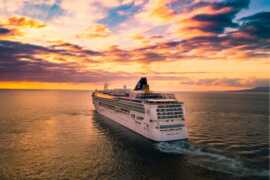
The premiere of innovative vessels is reshaping the cruising landscape. A new ship recently joined the fleet of an emerging line, marking a significant expansion as their ninth addition. This vessel is not just another boat; it’s designed with an emphasis on providing a unique experience for travelers, promising advanced amenities and a fresh approach to onboard entertainment. Such additions reflect a broader trend in the cruise industry, where companies are increasingly focused on enhancing customer experience. Passengers are not merely looking for transportation; they seek immersive experiences that resonate long after they’ve returned home.
Impact of Major Events on Port Cities
As cruise lines adapt to the climbing demand, local ports are preparing for the onrush of travelers. For instance, a major sporting event nearby is expected to strain traffic around a port, notably in a vibrant city known for its diverse offerings. Authorities have issued warnings about potential delays an acknowledgment of the growing intersection between the cruise industry and large-scale events. The influx of tourists can create a unique energy in port cities, but it also requires careful management to ensure that both visitors and locals can navigate their daily routines without excessive disruption. It’s a dance of logistics that port authorities and cruise operators are learning to master.
Shifts in Scheduling and Port Calls
In a noteworthy move, one cruise line announced changes to its port schedules for select voyages. These adjustments primarily affect shorter itineraries, reworking the timing of stops in a popular destination. While such changes might seem minor, they can significantly impact the overall traveler experience. Frequent adjustments in port schedules reflect the industry’s responsiveness to both operational challenges and customer desires. The balance between accommodating large groups of vacationers and maintaining a smooth operation is a constant push and pull that defines the industry today. As the cruise sector continues to evolve, one thing remains clear: its growth is both exhilarating and complex. With the integration of larger ships, timely adjustments to itineraries, and the interplay with major urban events, the potential for thrilling experiences is matched only by the need for meticulous planning. The wave of new adventures on the open seas is invigorating, yet it carries with it challenges that both passengers and operators must navigate together.