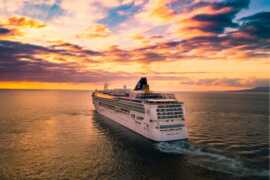

Cruising Ahead: The State of the Industry in Popular Destinations
Cruising is experiencing a remarkable resurgence, with ports adapting to increasing passenger numbers and evolving regulations. Amidst this flourishing landscape, Nassau leads the charges with rising visitor counts, while other destination challenges emerge, highlighting the delicate balance of tourism and local infrastructure.
Nassau’s Growing Appeal
Nassau’s cruise port has recently celebrated a new single-day passenger record, boasting numbers nearly nine percent higher than prior peaks. This surge can be attributed to a combination of attractive itineraries and the vibrant culture that lures travelers from all corners. The island’s blend of sun-soaked beaches, rich history, and lively markets continues to draw cruise lines, fostering economic growth. The recent influx of visitors has prompted local businesses to scale up operations, with everything from dining to entertainment seeing enhancements to cater to this surge. The cruise sector’s momentum underscores Nassau’s position as a key player in the Caribbean tourism scene, making it an essential stop for many itineraries.
Challenges in Iconic Destinations
In contrast, not all ports are enjoying smooth sailing. Santorini, known for its stunning views and archaeological wonders, faced significant disruptions recently due to a strike by bus operators. The local transportation struggle forced the cancellation of all cruise arrivals on a particular day, reflecting the challenges that popular destinations face in managing resources effectively. The incident serves as a reminder that while demand is high, the infrastructure must be robust enough to support it. Passengers were left with fewer options, and cruise lines found themselves scrambling to manage logistics and accommodations. Such occurrences raise questions about sustainability and the responsibilities of both local authorities and cruise companies to ensure that tourism thrives without overwhelming local systems.
A Shift in Onboard Policies
As the industry grows, cruise lines are emphasizing responsible enjoyment. Recent updates to onboard policies illustrate a shift toward stricter management of alcohol consumption. Regulations now aim to address excessive drinking by limiting the amount of alcohol brought on board. This move demonstrates an awareness of the need to maintain a safe and enjoyable atmosphere for all passengers, adapting to the evolving expectations of today’s travelers. Such changes indicate a broader trend within the cruise sector: a commitment to fostering a positive experience while ensuring that leisure does not compromise safety or community well-being. With the global conversation around responsible tourism gaining traction, these measures could help cruise operators strike a balance between relaxation and responsibility. The backdrop of increasing passenger numbers, infrastructure challenges, and evolving onboard policies paints a vivid picture of the current cruising landscape. Each port presents its unique allure and difficulties, but one thread unites them all: the relentless pursuit of an unforgettable travel experience at sea.