Weather and Infrastructure: The Unpredictable World of Cruising
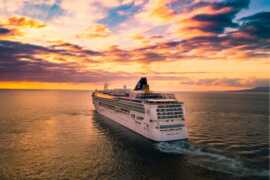
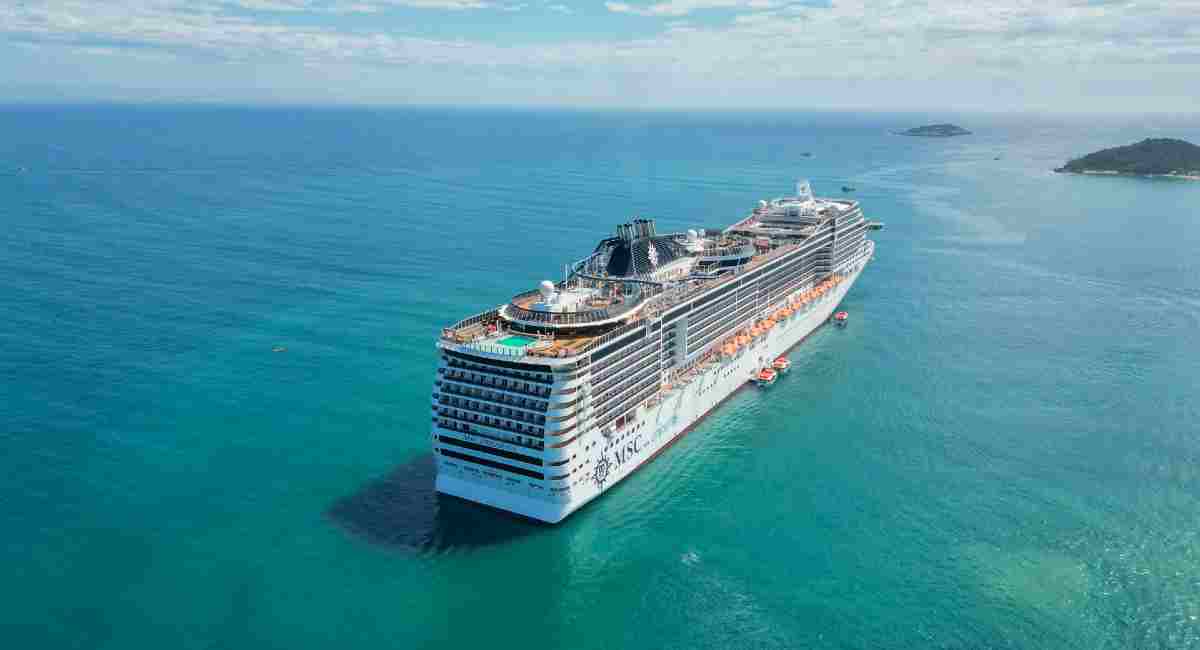
Cruise lovers often imagine idyllic days spent sailing to picturesque destinations. However, the reality can sometimes be harsh. Recent events have highlighted the fragility of maritime plans, especially when Mother Nature intervenes. Two cruise ships recently missed stops in St. John’s, Newfoundland and Labrador, due to unfavorable weather conditions, changing the itinerary at the last moment for countless excited travelers.
The Impact of Weather on Cruise Itineraries
The unexpected cancellation of port calls underscores a recurring theme in the cruising world: unpredictable weather can derail even the best-laid plans. On a recent Tuesday, the Crown Princess and Oceania Vista were scheduled to bring thousands of guests to the historic capital city but had to bypass it due to safety concerns. Passengers expecting to absorb the rich maritime culture of St. John’s and enjoy its famed hospitality were left with little recourse as their ships sailed past. Inclement weather can create a ripple effect, affecting not just the ships and their passengers but also local economies that rely heavily on the influx of cruise visitors. In this case, St. John’s was deprived of the promising economic boost that cruise tourism typically provides. This situation serves as a stark reminder that while cruising offers a taste of adventure, it is not without its uncertainties.
Investing in Cruise Infrastructure
While the whims of nature pose challenges, ports are doing their part to enhance the cruise experience. Port Canaveral stands as a shining example of proactive planning. The terminal recently embarked on a significant expansion project with a price tag nearing $175 million. This includes plans to double the existing Terminal 5 and add a new 13-story parking facility aimed at accommodating both cruise guests and the rising demand for space. This investment reflects a broader trend as ports adapt to the booming cruise market. Enhanced infrastructure not only provides better services but also ensures that passengers have a smoother boarding experience, reducing the frustrations that sometimes accompany busy ports. It is a necessary evolution that keeps pace with the growing number of travelers keen to explore the world by sea.
Economic Growth Through Expansion
Meanwhile, the Port of Galveston is exploring the possibility of adding a fifth cruise terminal. This initiative could potentially create around 1,500 jobs and inject millions into the local economy. As the demand for cruise vacations continues to soar, ports are recognizing the need to expand to accommodate the surge. This type of growth can revitalize communities, offering new employment opportunities and boosting local businesses that cater to tourists. The drive toward expansion also highlights an industry responding to a burgeoning interest in cruising, evidenced by increasing numbers in passenger bookings. Local economies stand to benefit greatly, emphasizing how intertwined the cruising experience is with the health of ports and their surrounding communities. Yet, this development comes with challenges. Infrastructure projects take time and can be met with opposition from various stakeholders who may be concerned about environmental impacts or local disruption. Balancing growth while maintaining the integrity of the surrounding area is a delicate dance. Navigating the waters of growth and unpredictability requires constant adjustment. As travelers dream of their next voyage, the industry must remain agile, adapting to weather challenges while building ports that cater to a new era of cruising. The journey is never dull, and the sea continues to hold surprises, both pleasant and tumultuous.